The allure of a Euro summer vacation never fades, but in 2026, travelers are looking for the perfect blend of iconic sun-drenched coastlines, rich history, and mouthwatering culinary scenes.
Whether you want to sip an Aperol Spritz on the Italian coast, wander through ancient medieval walls in Croatia, or escape the intense heat by heading up to the majestic Scottish highlands, this year is all about unforgettable, dynamic travel experiences.
If you are currently building out your bucket list and trying to figure out exactly where to go, look no further. We have rounded up the 8 best European summer destinations for 2026.
Grab your passport, pack your favorite sunglasses, and let’s dive into the history, sights, and flavors of Europe’s finest summer hotspots!
1. Positano (Amalfi Coast), Italy
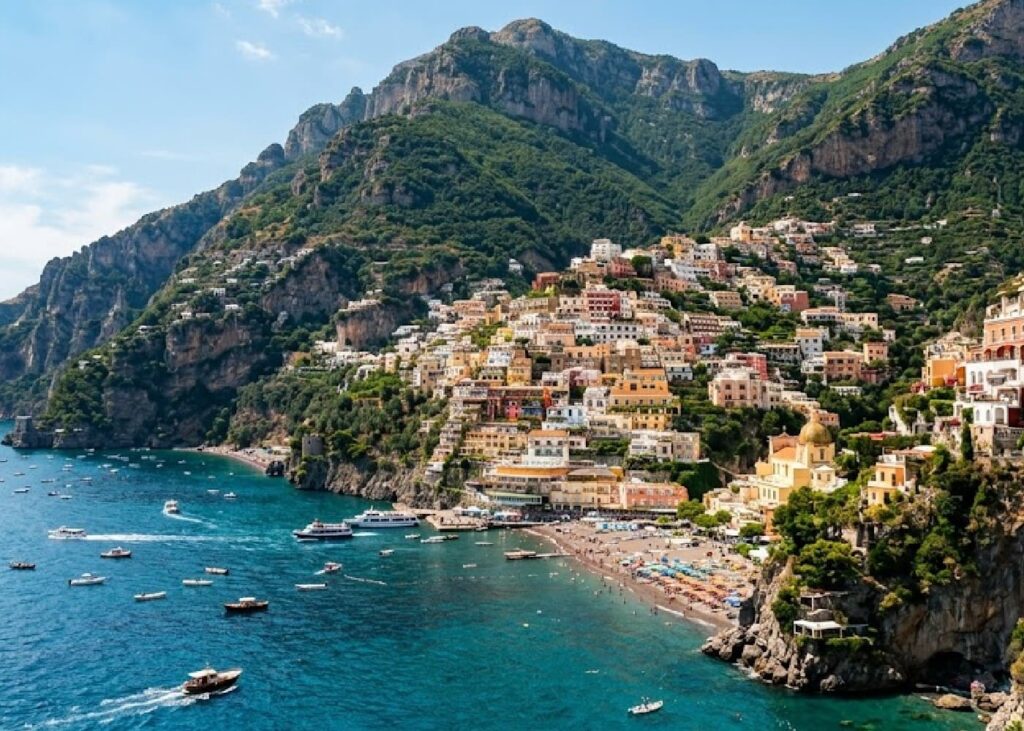
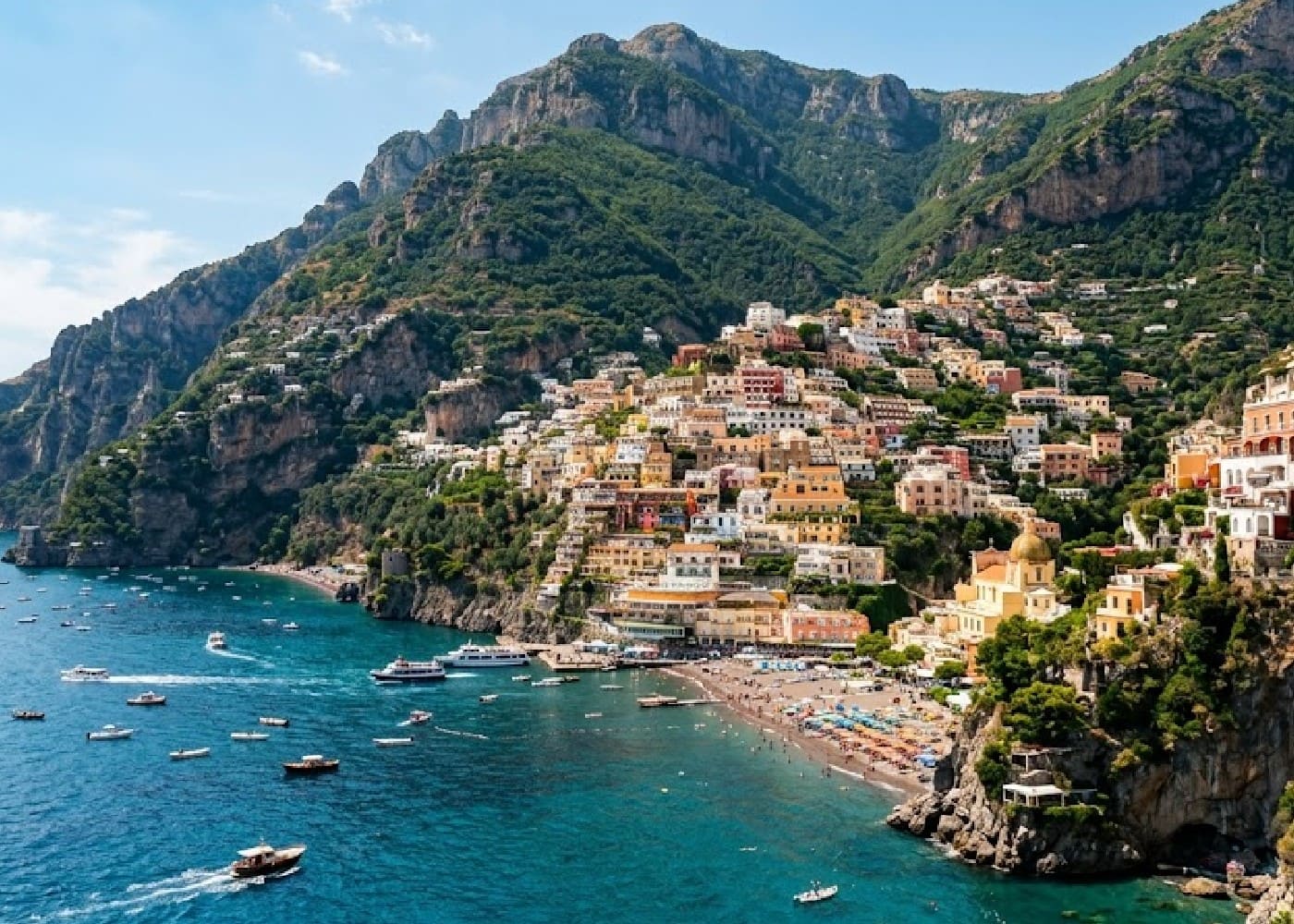
Positano is the undisputed crown jewel of the Amalfi Coast. With its dramatic cliffs, pastel-colored houses tumbling down to the sparkling Tyrrhenian Sea, and luxurious beach clubs, it is the ultimate romantic summer escape.
- 🏛️ Historical Fact: During the Middle Ages, Positano was a highly wealthy maritime republic. However, by the mid-19th century, it fell on hard times and lost much of its population before John Steinbeck famously put it back on the map in a 1953 essay.
- 📍 Things to Visit: Spend a day lounging at Spiaggia Grande, hike the breathtaking Sentiero degli Dei (Path of the Gods) for panoramic views, and visit the Church of Santa Maria Assunta to see its iconic majolica-tiled dome.
- 🍝 What to Eat: You cannot leave without trying Spaghetti alle Vongole (clam spaghetti) and finishing your meal with a Delizia al Limone (a decadent lemon sponge cake) made from world-famous Amalfi Coast lemons.
2. Santorini, Greece
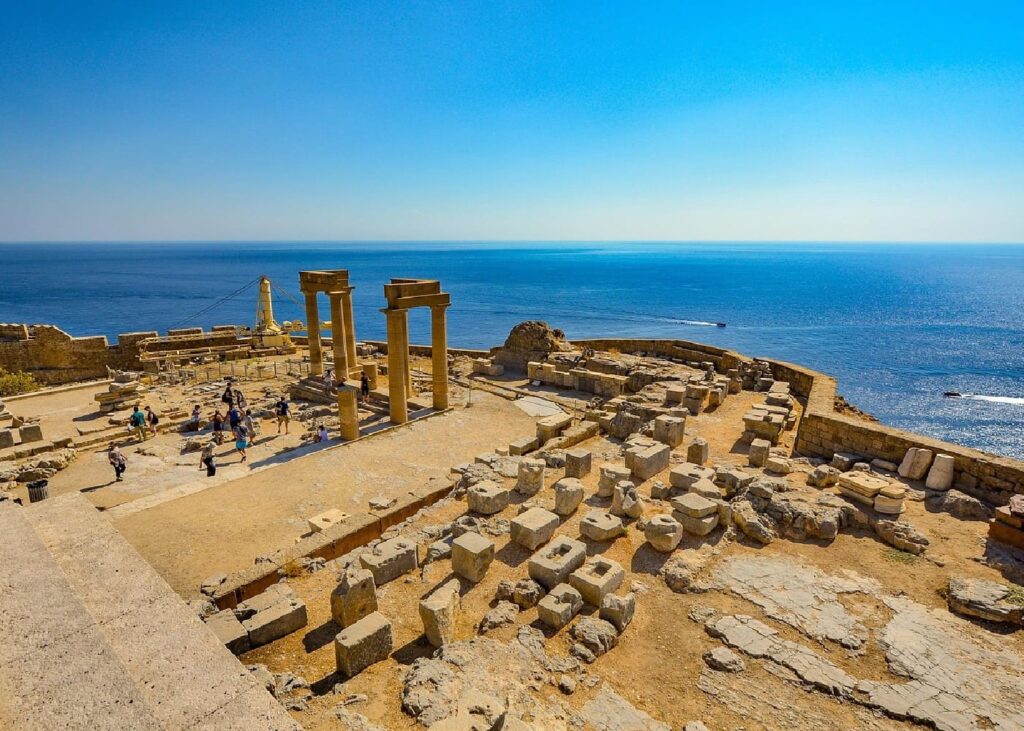
Santorini is the poster child for the Greek Islands. Famous for its brilliant whitewashed buildings, blue-domed churches, and stunning sunsets over the caldera, it offers a magical island-hopping experience that dominates Google Discover feeds every summer.
- 🏛️ Historical Fact: The island’s unique crescent shape is the result of the Minoan eruption around 1600 BC—one of the largest volcanic eruptions in recorded history, which wiped out the local Minoan civilization.
- 📍 Things to Visit: Watch the world-famous sunset in the village of Oia, explore the remarkably preserved ancient ruins at the Akrotiri Archaeological Site, and swim at the striking Red Beach.
- 🍝 What to Eat: Feast on fresh grilled octopus, Tomatokeftedes (crispy Santorini tomato fritters), and creamy Fava (yellow split pea purée).
3. Dubrovnik, Croatia
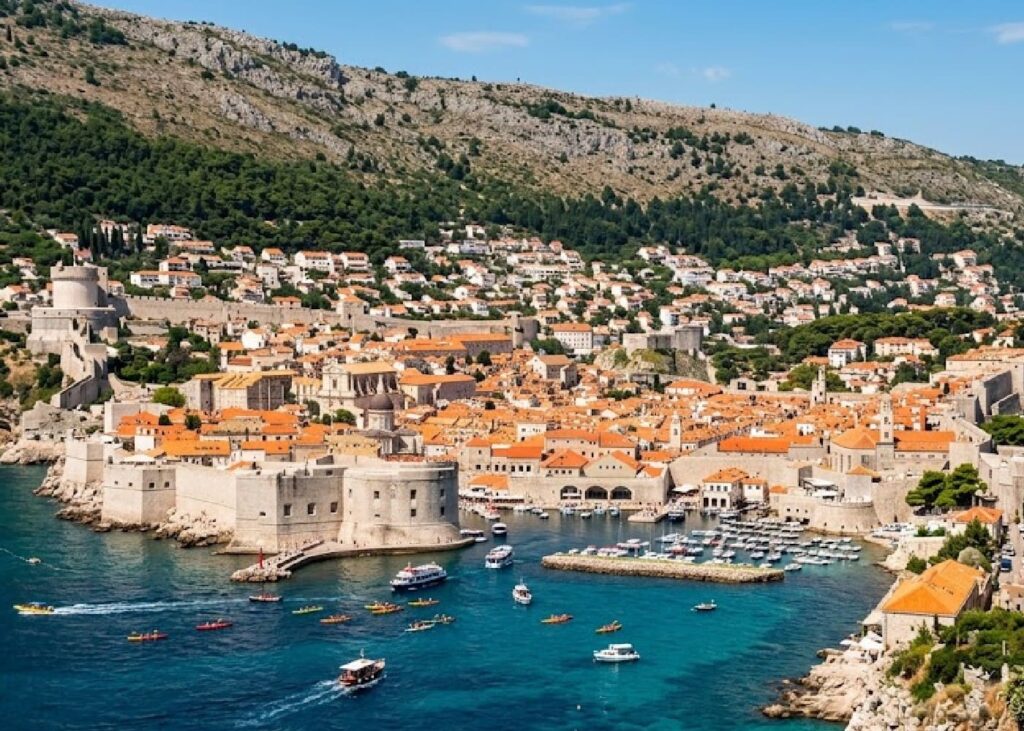
Known as the “Pearl of the Adriatic,” Dubrovnik is a mesmerizing coastal city wrapped in massive stone walls. It expertly balances intense historical fascination (and Game of Thrones fame) with beautiful beach escapes.
- 🏛️ Historical Fact: From the 14th to the 19th centuries, Dubrovnik was the Republic of Ragusa, a powerful and highly diplomatic maritime state that rivaled Venice in trade and wealth.
- 📍 Things to Visit: Walk the ancient City Walls for unmatched views of the Adriatic, explore Fort Lovrijenac, and take the cable car up Mount Srđ for a bird’s-eye view of the terracotta roofs.
- 🍝 What to Eat: Dig into Crni rižot (black squid ink risotto), try fresh oysters sourced from nearby Mali Ston, and treat yourself to Rožata (a traditional caramel custard dessert).
4. Mallorca, Spain
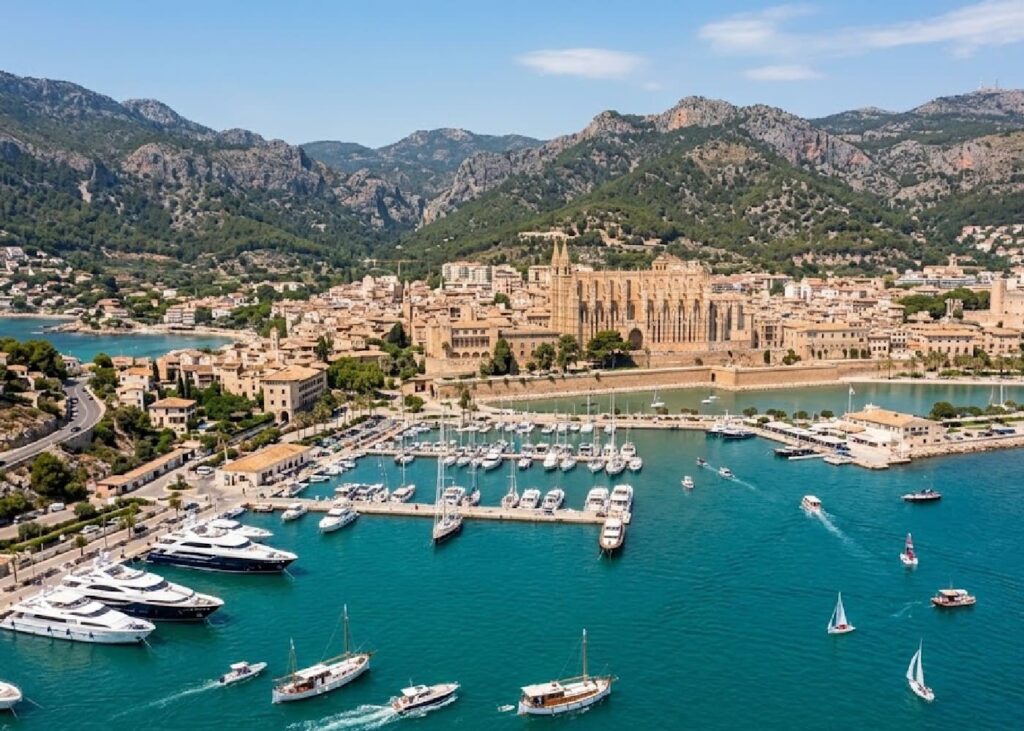
Mallorca, the largest of Spain’s Balearic Islands, is a paradise of turquoise coves (calas), sweeping mountain ranges, and vibrant Mediterranean culture. It is perfect for travelers who want both luxury beach resorts and adventurous road trips.
- 🏛️ Historical Fact: The island boasts a deeply complex history, having been ruled by Romans and Moors before it was eventually conquered by King James I of Aragon in 1229.
- 📍 Things to Visit: Marvel at the stunning Palma Cathedral (La Seu), take a scenic drive through the UNESCO-listed Serra de Tramuntana mountains, and explore the surreal underground Drach Caves.
- 🍝 What to Eat: Snack on Ensaimada (a sweet spiral pastry), Sobrasada (spreadable cured sausage), and classic Pa amb oli (bread with olive oil and local tomatoes).
5. Nice (French Riviera), France
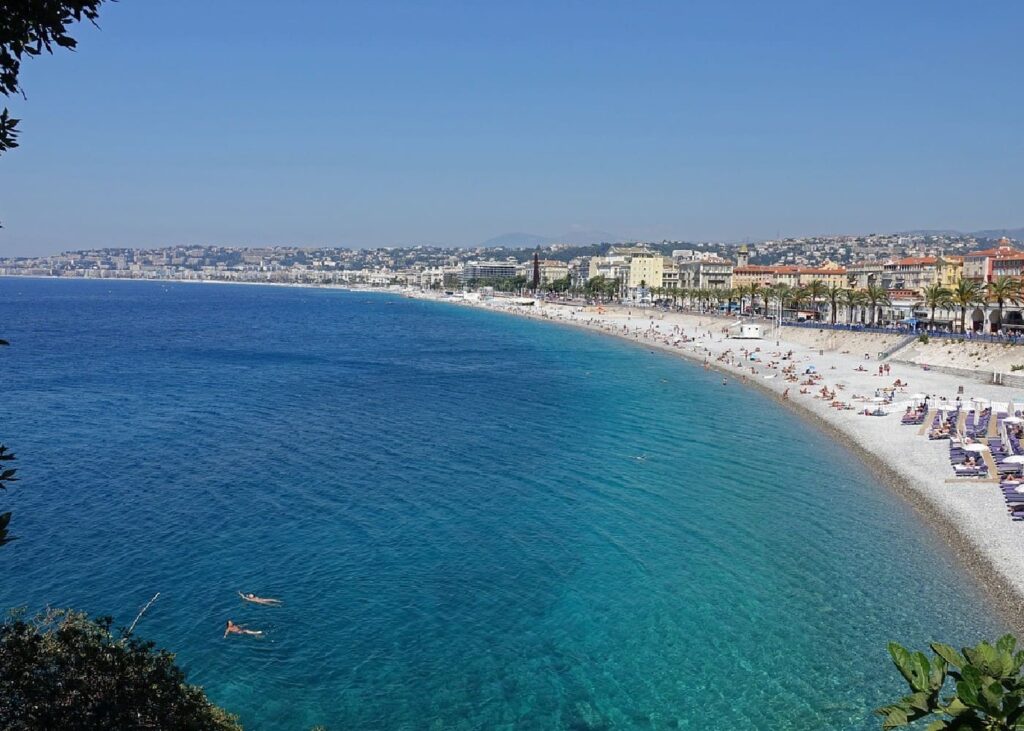
If you want effortless glamor and pebble beaches, Nice is the vibrant heart of the Côte d’Azur. It merges chic French living with a distinctly laid-back coastal attitude.
- 🏛️ Historical Fact: Nice was founded by the Greeks of Massalia (modern-day Marseille) around 350 BC and was named Nikaia in honor of Nike, the goddess of victory.
- 📍 Things to Visit: Stroll along the world-famous Promenade des Anglais, climb up to Castle Hill (Colline du Château) for stunning city views, and get lost in the narrow, vibrant streets of Vieux Nice (Old Town).
- 🍝 What to Eat: Keep it fresh with a traditional Salade Niçoise, grab a slice of Socca (chickpea pancake) from a street vendor, and enjoy rich, comforting Ratatouille.
6. Algarve, Portugal
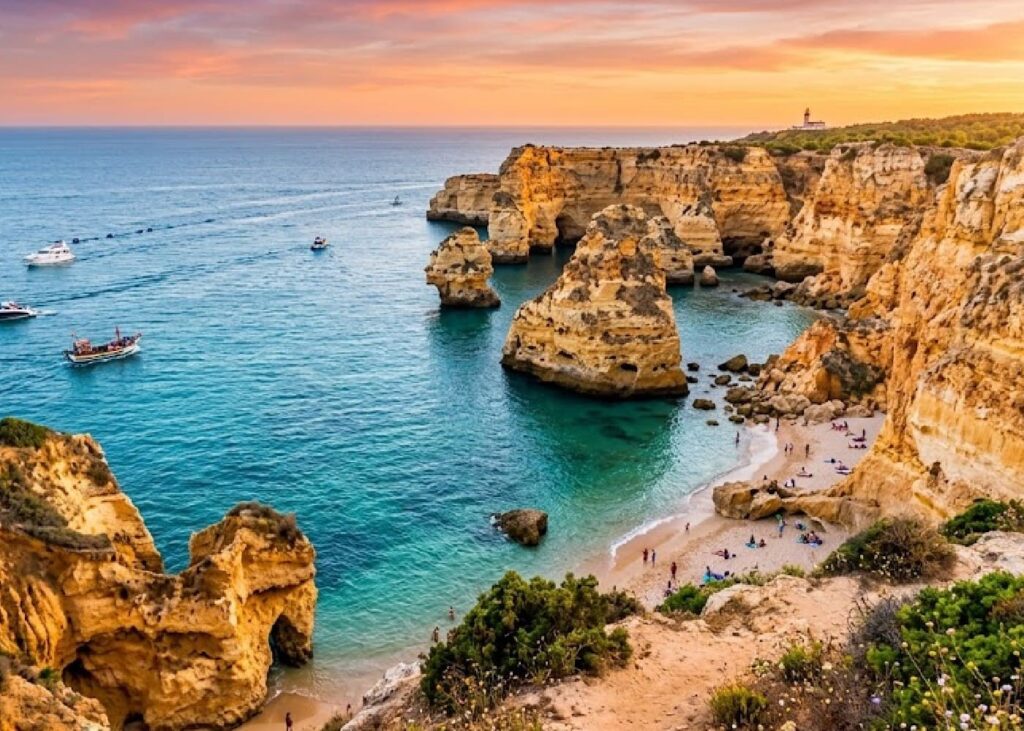
The Algarve is Europe’s ultimate affordable luxury destination. Known for its towering limestone cliffs, hidden sea caves, and world-class surfing, southern Portugal is an absolute must-visit for adventure lovers and beach bums alike.
- 🏛️ Historical Fact: The region’s name comes from the Arabic word “Al-Gharb,” which translates simply to “The West,” reflecting the centuries of deep Moorish influence that shaped its architecture and culture.
- 📍 Things to Visit: Take a boat tour into the majestic Benagil Cave, hike the dramatic cliffside trails of Ponta da Piedade, and relax on the golden sands of Praia da Marinha.
- 🍝 What to Eat: Savor a traditional Cataplana de Marisco (a rich seafood stew cooked in a copper pan), snack on perfectly grilled sardines, and eat as many Pastéis de Nata (custard tarts) as humanly possible.
7. Lake Bled, Slovenia
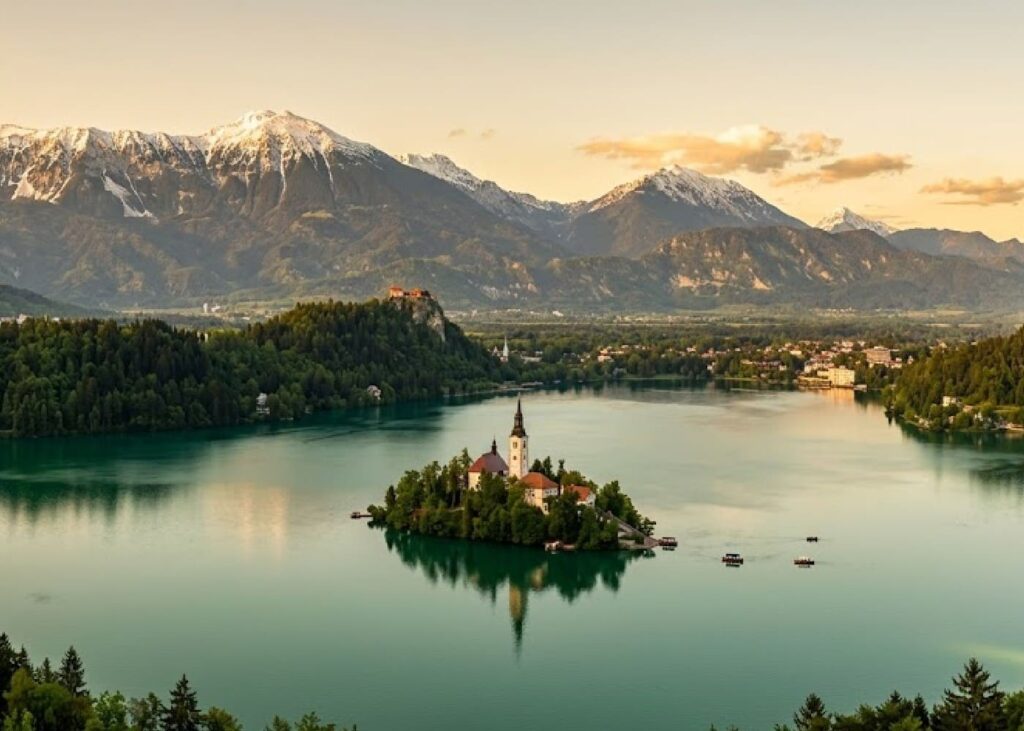
For travelers looking to trade salty beaches for alpine lakes and fairy-tale scenery, Lake Bled is a trending European hidden gem. It is lush, green, incredibly photogenic, and less crowded than the Mediterranean coast.
- 🏛️ Historical Fact: Lake Bled has been an elite resort destination for centuries. It even served as the luxurious summer residence for the Yugoslav royal family in the early 20th century.
- 📍 Things to Visit: Take a traditional wooden pletna boat out to Bled Island to ring the wishing bell, hike up to Bled Castle for a towering view over the water, and walk the boardwalks through the stunning Vintgar Gorge.
- 🍝 What to Eat: You absolutely must eat the legendary Bled Cream Cake (Kremna rezina), and for a hearty dinner, try the Kranjska klobasa (traditional Carniolan sausage).
8. Edinburgh, Scotland
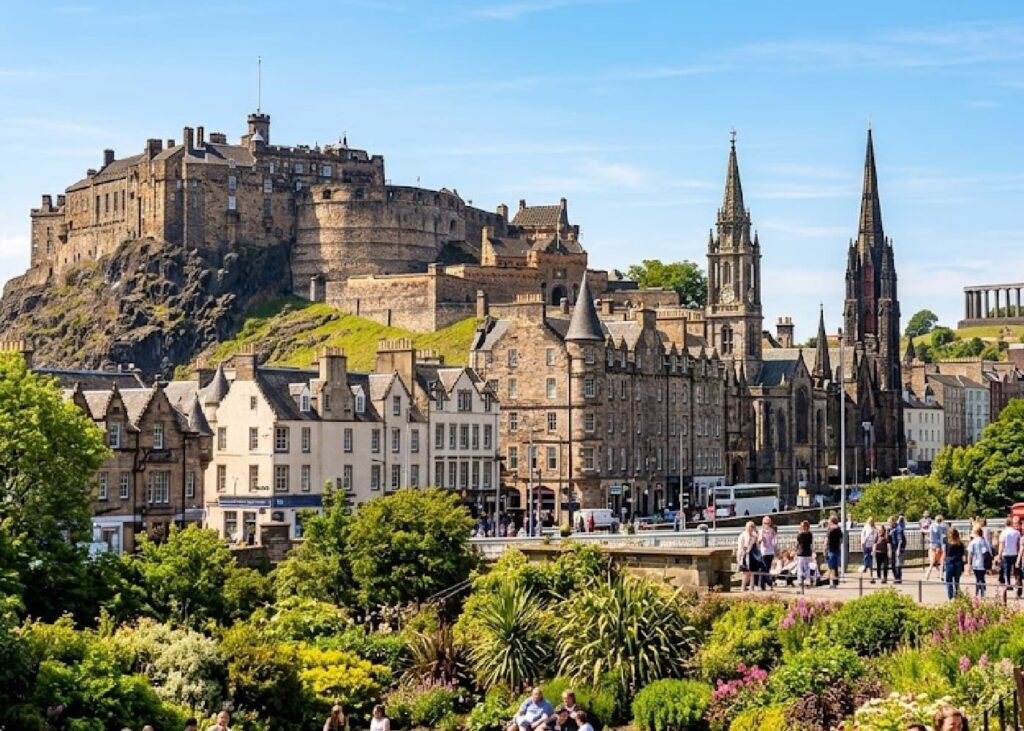
Not everyone wants to melt in a 100-degree heatwave! Edinburgh is the perfect European summer destination for those who prefer mild, breezy weather, moody dark academia aesthetics, and world-class arts festivals (like the famous Edinburgh Fringe in August).
- 🏛️ Historical Fact: Edinburgh’s geography is wild—the iconic Edinburgh Castle sits squarely on the plug of an extinct volcano that is estimated to be over 350 million years old.
- 📍 Things to Visit: Walk the historic Royal Mile, explore Edinburgh Castle, and hike up Arthur’s Seat for an unbeatable panoramic view of the city.
- 🍝 What to Eat: Be brave and try traditional Haggis with neeps and tatties (turnips and potatoes), warm up with Cullen skink (a creamy smoked haddock soup), and enjoy buttery Scottish shortbread with your afternoon tea.
❓ Frequently asked questions (FAQ): Euro summer vacation 2026
Do US citizens need a visa or ETIAS for a European summer vacation in 2026?
Big changes are happening at European borders in 2026! As of April 10, 2026, the EU implemented the fully operational Entry/Exit System (EES). This means you will undergo biometric registration—including facial image and fingerprint scans—instead of getting a physical passport stamp when you enter the Schengen Area. However, the much-talked-about ETIAS travel authorization is not required for summer 2026 travel; its launch has been pushed to the fourth quarter (October–December) of 2026. For this summer, your valid US passport is still sufficient!
When is the best time to book a European summer vacation?
If you want to secure the best rates for peak season (June through August), you should book your flights and accommodations 6 to 8 months in advance. Booking by January or February of the travel year ensures you get your top picks before they sell out.
What are the cheapest European summer destinations?
If you are traveling on a budget, look toward Central and Eastern Europe or the Iberian Peninsula. Places like Lake Bled (Slovenia), the Algarve (Portugal), and lesser-known islands in Greece or Croatia will offer a significantly lower cost of living compared to premium destinations like the Amalfi Coast or the French Riviera.
What are the absolute packing essentials for Europe in the summer?
Pack light, breathable fabrics (like linen and cotton) and extremely comfortable walking shoes—you will be doing an average of 10k to 20k steps a day on cobblestones! Also, bring a universal power adapter, a reusable water bottle, and an anti-theft crossbody bag to keep your valuables safe in crowded tourist areas.