
Christmas is a universal holiday, but every European country has its own traditions and customs that make this celebration unique.
Whether you’re looking for a traditional celebration or a brand-new festive experience, Christmas Eve celebrations across Europe offer a wide range of discoveries.
From France to Italy, from Germany to Spain, each culture adds its own special touch to this magical time of year.
Discover Christmas traditions in Europe and let yourself be surprised by the stories and unique customs of each country.
Christmas Eve in France: A celebration of gastronomy

In France, Christmas Eve is above all a warm and festive moment spent around a generously filled table.
The tradition is to gather with family and enjoy a lavish dinner with classics such as foie gras, oysters, smoked salmon, and of course the traditional Yule log cake.
Christmas traditions in France vary from one region to another: in Provence, Christmas Eve is celebrated with the famous 13 desserts symbolizing Jesus and the 12 apostles, while in Alsace, Christmas markets are an unmissable part of the season.
Christmas in France is all about family, togetherness and fine food, a tradition deeply rooted in the country’s history and culture.

Christmas Eve in Germany: Christmas markets and the Christmas tree

In Germany, Christmas traditions are famous all over the world, largely thanks to the iconic Christmas markets (or Weihnachtsmärkte).
This tradition dates back to the 15th century and began in Dresden in 1434.
Every year, German cities light up with Christmas markets where visitors can enjoy specialties such as Stollen (a traditional fruit Christmas cake) and Glühwein (spiced mulled wine).
The Christmas tree was also popularized in Germany in the 16th century by Princess Hélène of Mecklenburg-Schwerin.
In Germany, Christmas Eve is usually spent at a family dinner, followed by opening presents in the evening and a stroll through town to admire the sparkling Christmas lights.

Christmas Eve in Spain: Festive dinner and Three Kings’ Day
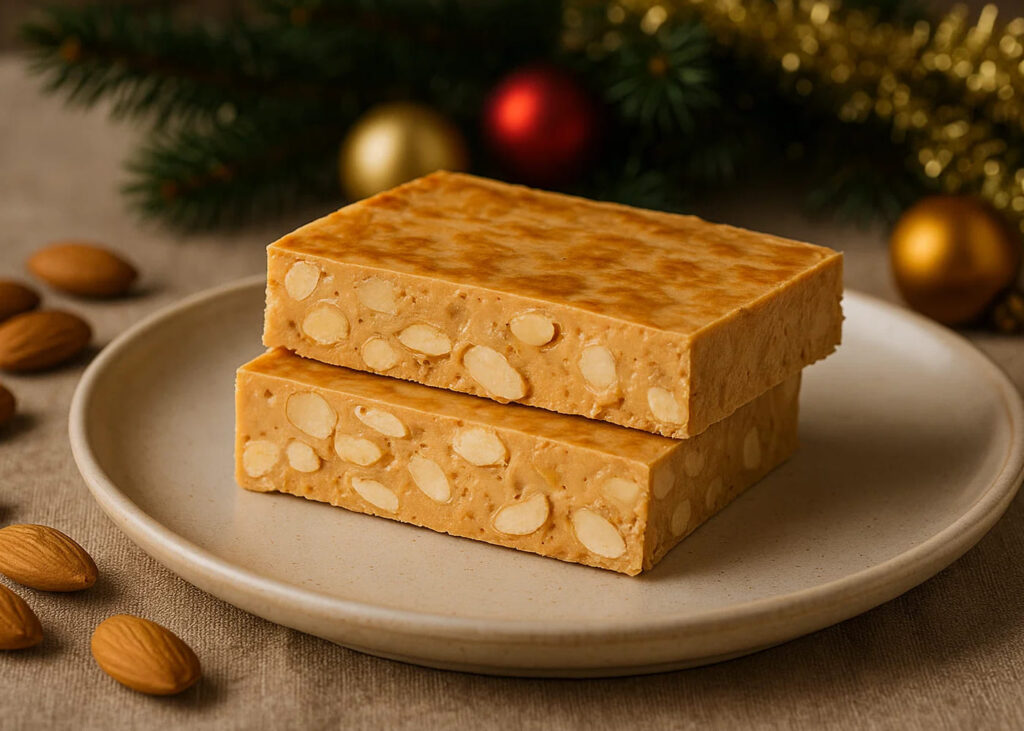
In Spain, Christmas Eve is celebrated on December 24 with a big festive dinner surrounded by family.
The Spanish Christmas meal often begins with seafood, followed by heartier dishes such as cabrito (roast goat) or cochinillo asado (roast suckling pig).
However, the most important tradition is still Three Kings’ Day on January 6, which many consider the “real” Christmas in Spain. Children receive their gifts from the Three Wise Men, and cities host spectacular parades.
In Catalonia, another charming custom is Caga Tió, a wooden log that children “tap” so it “gives” them presents, a fun and playful tradition that kids absolutely love.

Christmas Eve in Italy: Religious traditions and the “Vigilia”

In Italy, Christmas Eve is above all a religious celebration. The tradition of the Vigilia di Natale, the dinner on December 24, is a lighter meal based mainly on fish dishes, in keeping with the Catholic custom of avoiding meat.
Italian Christmas traditions are also marked by the Presepe, the nativity scene, a custom that originated in Naples in the 16th century.
This moment of reflection is followed by midnight mass, and December 25 is devoted to a big festive family lunch.
Italy is also home to panettone and pandoro, iconic Christmas cakes, as well as log-style desserts such as the tronchetto di Natale.
Christmas Eve in Sweden: Saint Lucia and traditional dishes
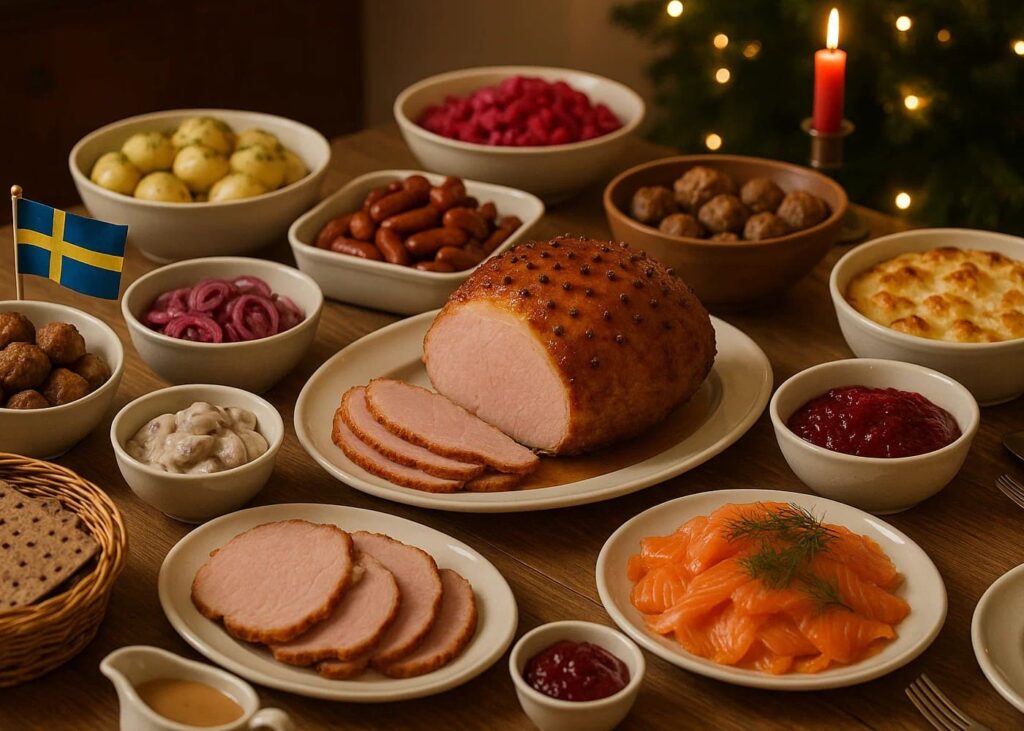
In Sweden, Christmas is a warm and cozy celebration marked by Saint Lucia Day on December 13, which officially kicks off the holiday season.
On December 24, families gather for the traditional Julbord, a Christmas buffet filled with cold dishes such as marinated herring, pickled fish, meatballs, roast ham and potato gratin.
The Swedish Christmas Eve celebration often ends with midnight mass, followed by a family gathering.
Christmas elves and the tomte (the Swedish Father Christmas) are also key figures in Swedish traditions.

Christmas traditions across Europe are incredibly rich and varied, offering a whole range of unique experiences from one country to the next.
Whether you decide to explore French gastronomy, the German Christmas markets, Spanish celebrations, the Italian Vigilia or Swedish customs, each culture brings its own special twist to the holiday season.
In 2025, let yourself be carried away by the magic of Christmas and discover the many different ways Europe celebrates this time of sharing, joy and tradition.
No matter where you are, Christmas celebrations in Europe are something to experience, savor and share with your loved ones.